
Integrating Institutional Liquidity with MT4/MT5
Key Takeaways
- The majority of retail FX brokerages run on MetaTrader, so the practical burden of clean MT4/MT5 connectivity sits with your liquidity provider.
- A bridge sits between your platform and the liquidity, translating orders and pricing so both sides work together.
- FX-EDGE includes the Match-Trader MT4/MT5 Bridge at no extra cost for both A/B-Book execution models.
- The same liquidity connects to MetaTrader, cTrader, and proprietary platforms, with native support on Match-Trader.
- A solid integration helps reduce slippage, rejections, and poor pricing, which protects the experience your traders judge you on.
What Does Liquidity Provider Integration with MT4/MT5 Involve?
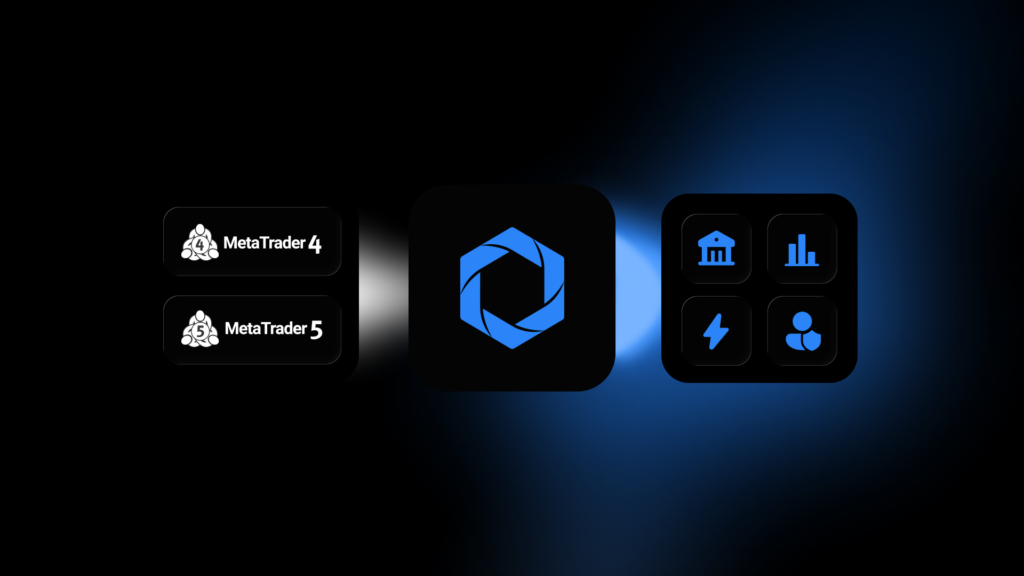
MetaTrader was built for trading, and managing external liquidity relationships sits outside its core design, so brokers connect to a provider through a bridge. The bridge sits between your server and the liquidity, passing orders out and pricing back in real time. FX-EDGE includes Match-Trader MT4/MT5 Bridge at no additional cost for both A-Book and B-Book groups, which removes one of the integration costs that catches startup brokers by surprise. For a new brokerage, a bundled bridge turns a separate vendor negotiation into a single setup.
How Does Institutional FX Integration Fit Different Platforms?
Few brokers run a single platform forever. A liquidity provider that connects to only one terminal forces a rebuild the moment you add another. FX-EDGE is designed to work across MetaTrader, cTrader, and proprietary platforms through bridge connectivity, with native compatibility for brokers on Match-Trader. Choosing liquidity that fits any setup keeps your platform roadmap open instead of letting an integration you cannot change dictate it. Custom pools let you segment by client tier, strategy, or market, so the same connection serves different parts of your book differently.
Can You Connect Liquidity to MT4 Without Downtime?
Switching or adding liquidity on a live server sounds risky, which is why integration architecture matters. FX-EDGE runs on FIX connectivity that supports dynamic session management, so dealing teams can add, change, or remove sessions without restarting services or interrupting live trading. For a broker with active clients, that means an integration or adjustment happens quietly in the background. A migration handled properly should never show up as downtime to the trader on the other end.
Why Does the Quality of Your MetaTrader Liquidity Provider Show Up in Execution?
Your traders never see your liquidity arrangement directly; they see fills, spreads, and how often their orders are rejected. A weak provider connection adds latency and pricing gaps that surface as complaints, while a solid integration with sub-3ms execution and spreads from 0.1 pips helps reduce execution issues such as slippage, rejections, and poor pricing. Where this connection sits in your wider broker tech stack shapes performance as much as any single component. Execution quality is the part of your infrastructure that traders feel every day, even if they could never name the cause.
How Fast Can a Startup Broker Go Live?
Cost and speed decide whether liquidity integration is realistic for a new brokerage. FX-EDGE starts at a $1,000 monthly fee, and typical onboarding runs from inquiry to live trading in around five days. For a founder watching cash and timelines, a predictable entry cost and a fast setup remove two of the biggest reasons brokers delay the liquidity decision. The FX-EDGE team handles the provider-side setup and supports the broker’s team through the platform configuration on their end.
Your platform choice and your liquidity choice work best when they are planned together. To map out MT4/MT5 integration for your brokerage, talk to the FX-EDGE team about bridge access, custom liquidity pools, and an onboarding timeline that fits your launch.
FAQ
Do I need a bridge to connect MT4 or MT5 to a liquidity provider?
In practice, yes. MetaTrader was not designed to manage liquidity relationships on its own, so a bridge handles the translation between your platform and the provider. FX-EDGE includes the Match-Trader MT4/MT5 Bridge at no additional cost, so this layer is covered as part of the liquidity package rather than being billed separately.
Can I keep MetaTrader and still access institutional liquidity?
Yes. Staying on MT4 or MT5 does not limit the depth of liquidity you can connect to. Through bridge integration, a MetaTrader brokerage can access the same institutional-grade liquidity, custom pools, and risk management that brokers on other platforms use.
Will integrating a new liquidity provider interrupt my live trading?
It should not. FX-EDGE uses FIX connectivity with dynamic session management, which lets sessions be added or changed without restarting services. Handled correctly, the integration runs in the background, and your traders continue without disruption.